We signed up to take a Country Walkers hiking trip to Normandy and Brittany. The trips are only offered in May, September, and October. Otherwise, the area is filled with summer tourists especially Parisiennes who may have a summer home in the area or come for the weekend to get out of the city.
Our trip started when our guides met us in Paris and we were transported by bus to the Manor d’Apreval, a family-owned orchard where they make cider and Calvados Brandy. The orchard is located near the Cote de Grace coastline, an area well-known to impressionist Claude Monet.
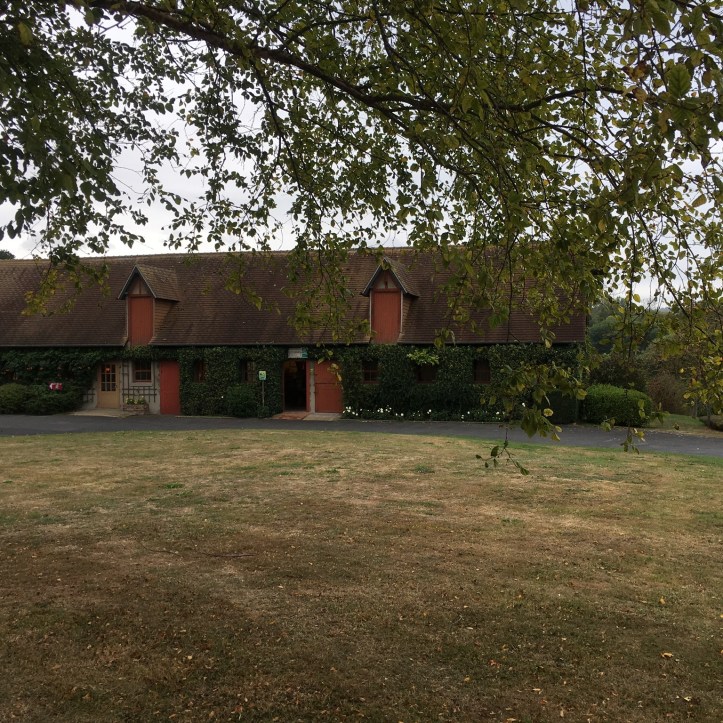
Our guide at the manor explained that Calvados is made by aging in oak barrels for a minimum of 15 years.

We had lunch here and tasted three different apple drinks.
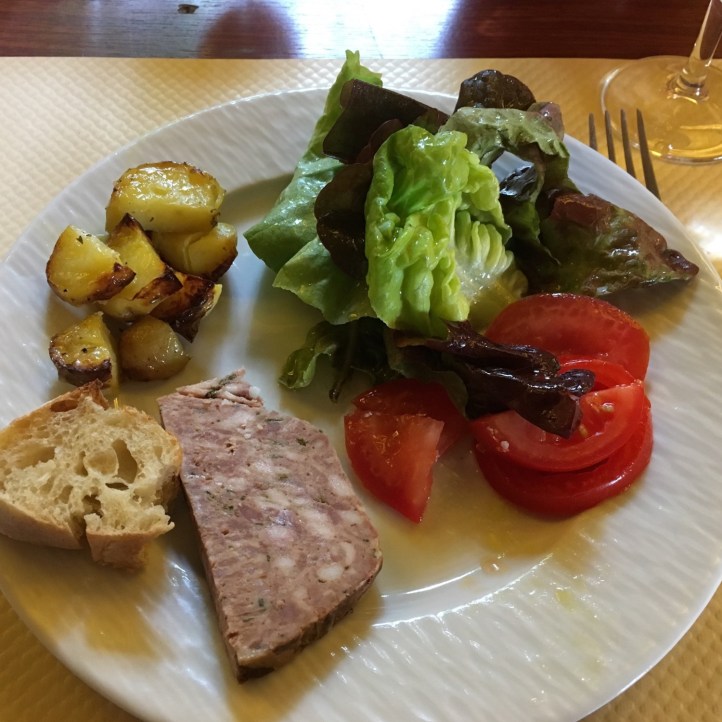
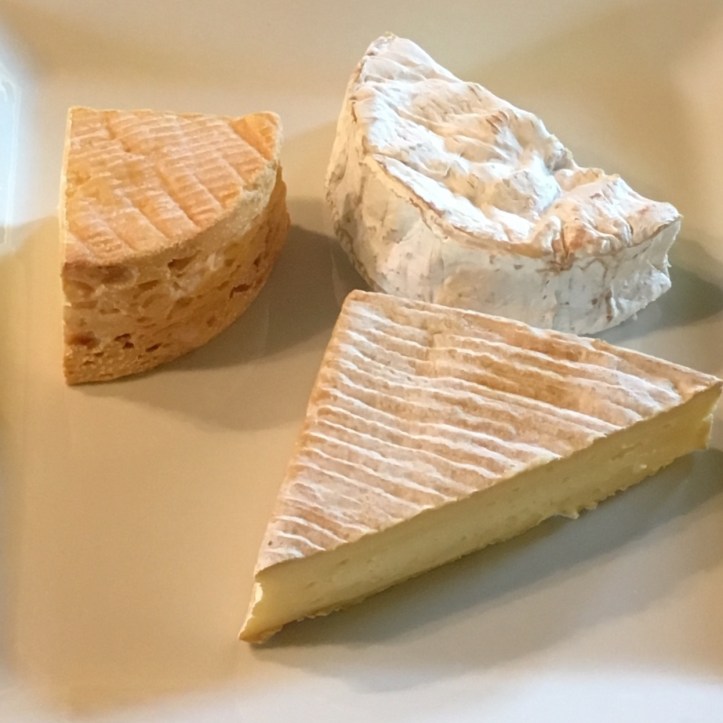
The first was plain cider and the other two contained progressive amounts of alcohol. After our main course we sampled three different cheeses, including a creamy Camembert, and were told France is home to 470 different cheeses, varying by type of milk, amount of time left to curdle, etc. One of our guides repeated a saying that any country that makes that many different cheeses, cannot be governed. So good luck Mr. Macron.
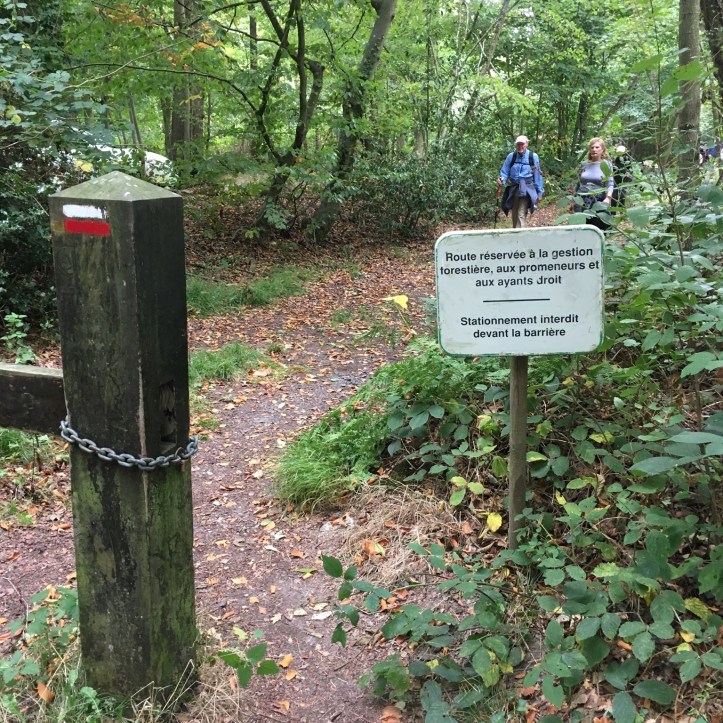
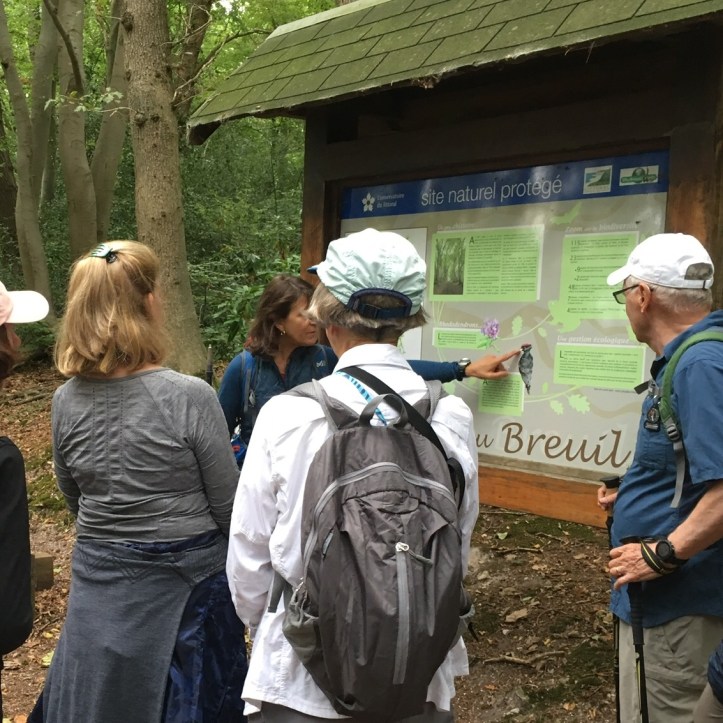
Our hike started in the Bois du Breuil, a nature reserve, and a forest of chestnut trees, rhododendrons, and holly. All we could think of today was how great this area would have been for bicycling. And even though there is a bike trip offered here, we chose hiking because of the paths near the coast.
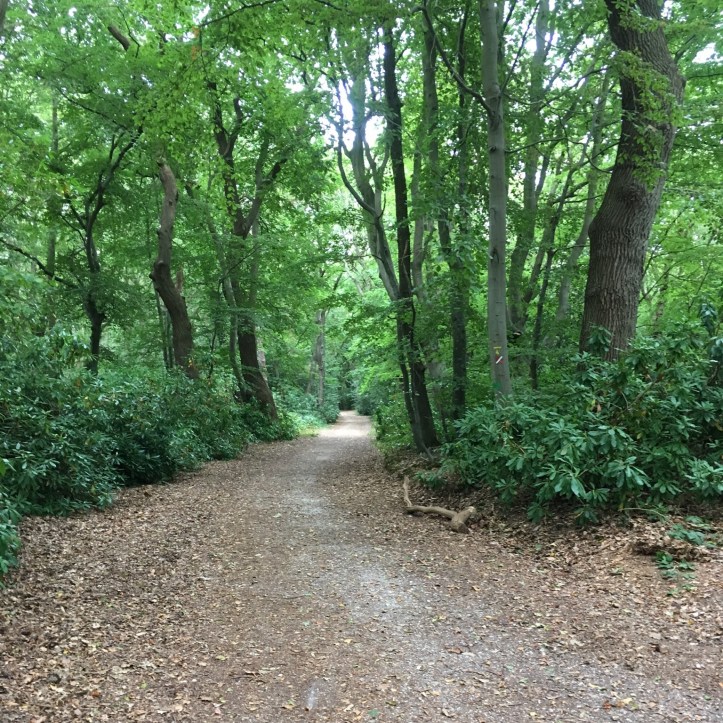
The trail was marked with stripes, white over red.
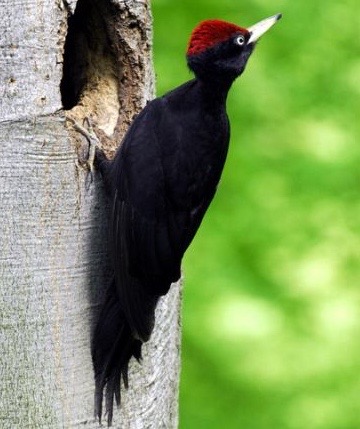
Our guides also told us that a species of birds here is the black woodpecker that can be as large as a Bantam Chicken.
We didn’t see any of those so I looked one up. Actually kind of scary looking.
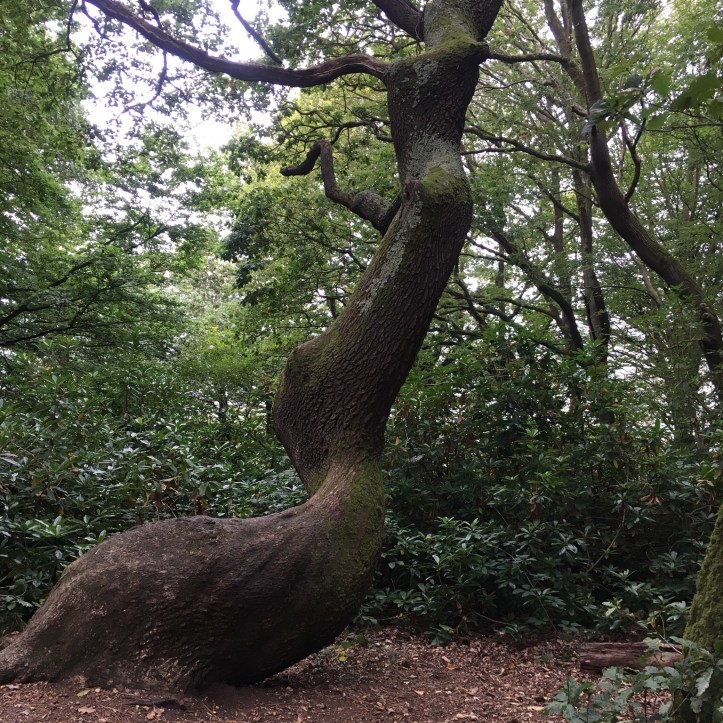
At the orchard, however, we saw a Kestrel – hovering then flying then hovering – way up in the air. We also saw this strange tree.
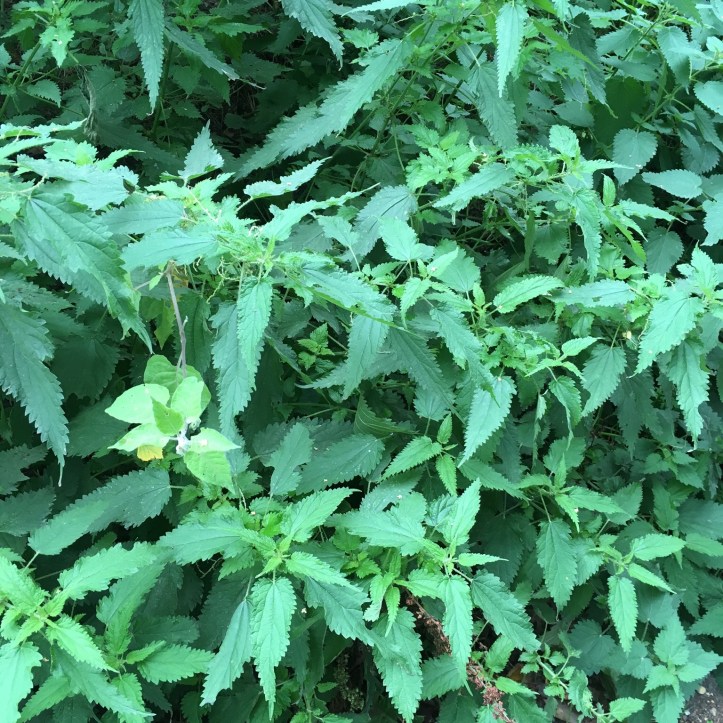
And we were warned about nettles which was good since Ross and I have both had our run-ins.
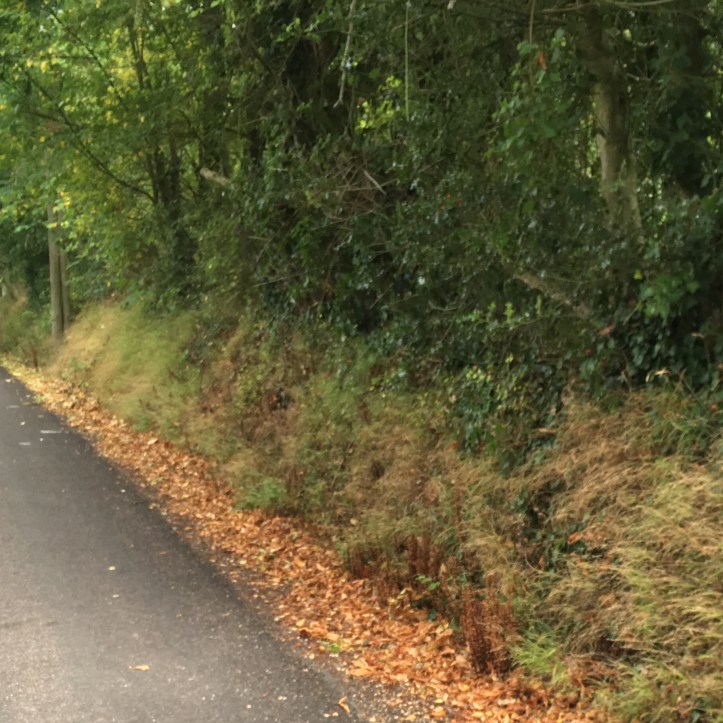
Leaving the forest, we walked along country lanes bordered by Normandy’s famous hedgerows.
Along the way we saw a couple of houses with thatched roofs and they had flowers, mainly Irises, growing on the ridge line.

We were told that thatch is making a comeback because it is economical, efficient, and is now more flame retardant. About a mile out of Honfleur – our destination for the night – we stopped at the Norte Dame de Grâce Chapel.
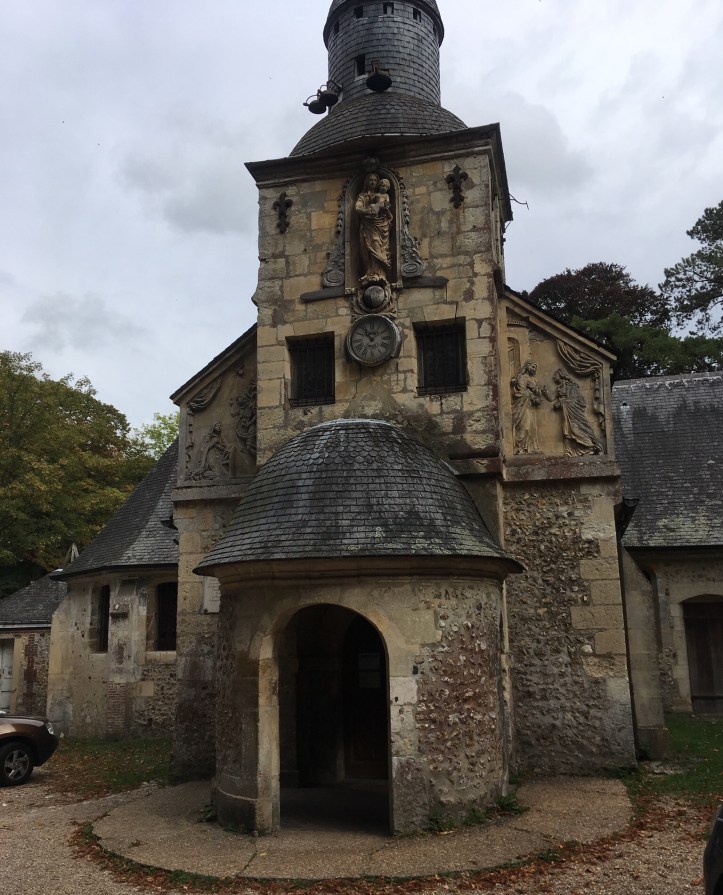
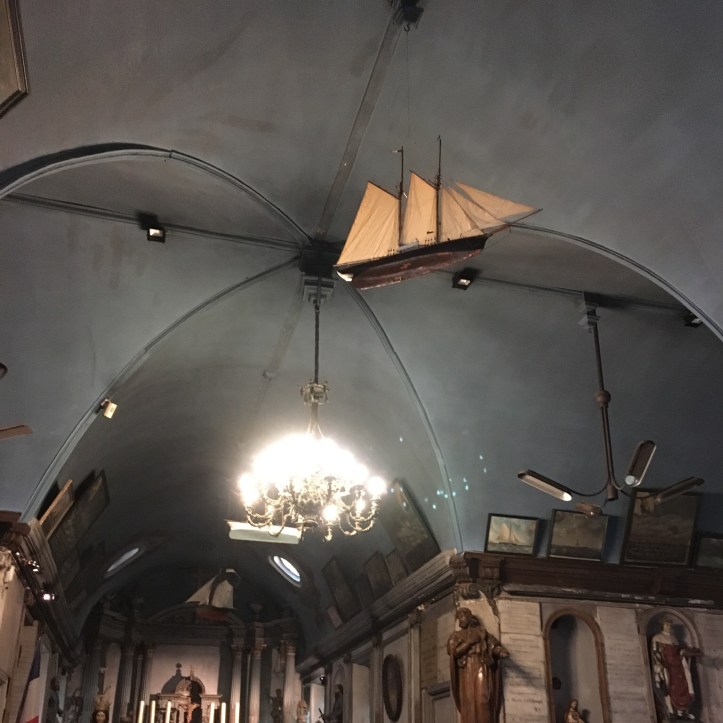
The original church was built by Richard II, the Duke of Normandy, in 1023 to fulfill a vow he made to God when he was in a bad storm at sea. That church was lost in a landslide into the sea and the current one was completed around 1615. Interestingly, there are small replicas of ships hanging from the ceiling.
Just beyond the church, we stopped to look at the Seine River as it flows out to sea.
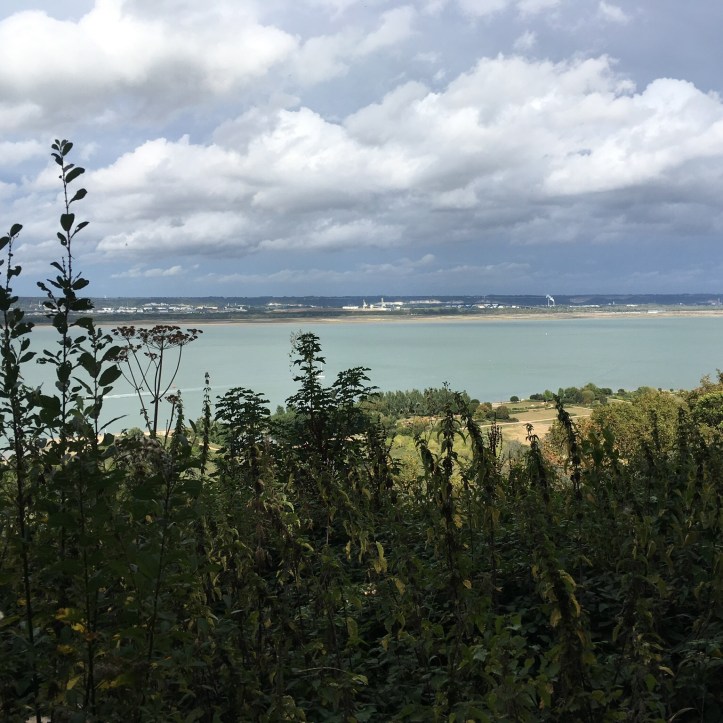
Our guides told us that Vikings would pillage and loot along the coast of France and Charles III, the king of West Francia, who was also known as Charles the Simple or Charles the Straightforward, made a deal with them in the year 911 that he would give them a section of land to live on if they stopped raiding and became Christians. This became known as the land of the Norsemen or Normandy. From the church, we walked downhill another half-mile or so.
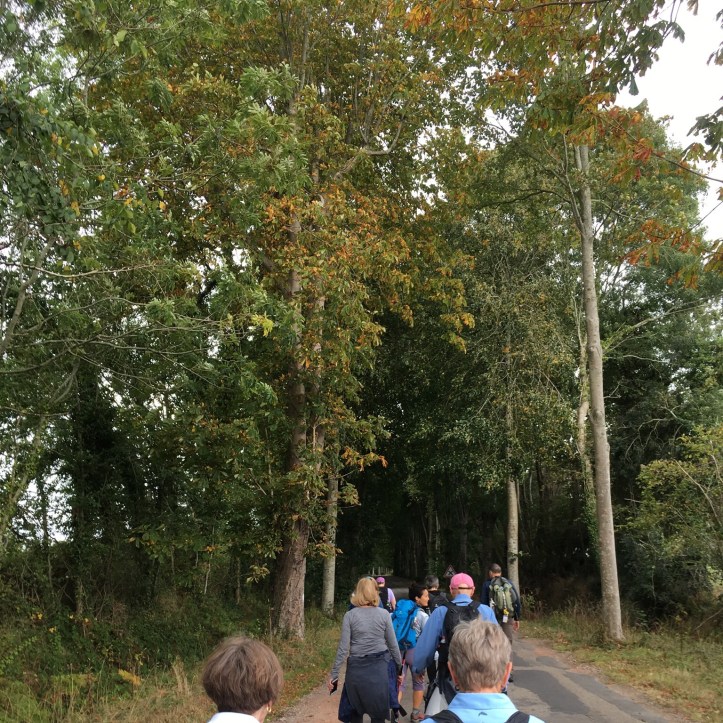
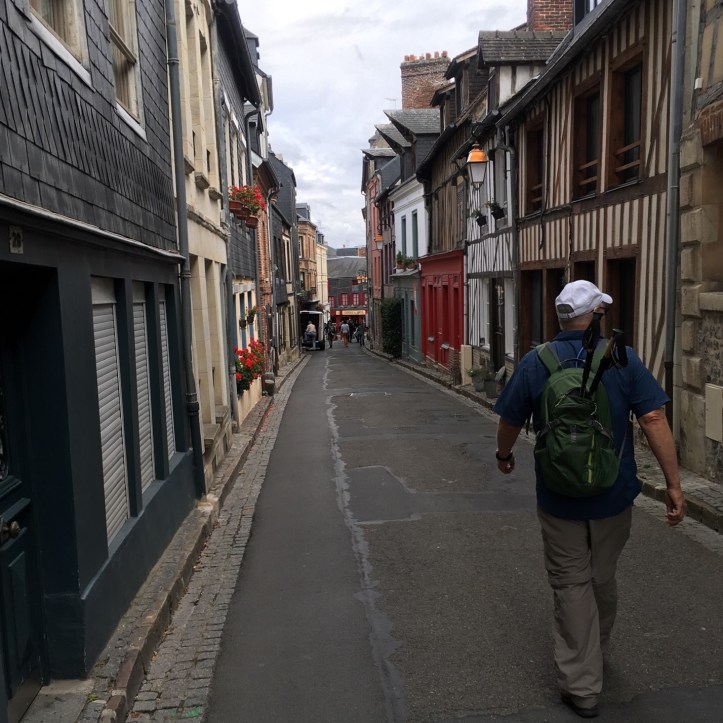
Then we went into Honfleur walking by many interesting shops.
This one got my attention because of the miniatures in the window. These little people were about two or three inches tall and they looked like they might have stepped out of a modern-day Renoir painting.

Having recently been at the Apple orchard, we also noticed this shop with bottles of Calvados in the window.

Our hotel for the next two days was the Les Maisons de Léa. We were right next to a church bell tower that we discovered rang quite prodigiously on the hour. Fortunately it stopped at 9 pm.
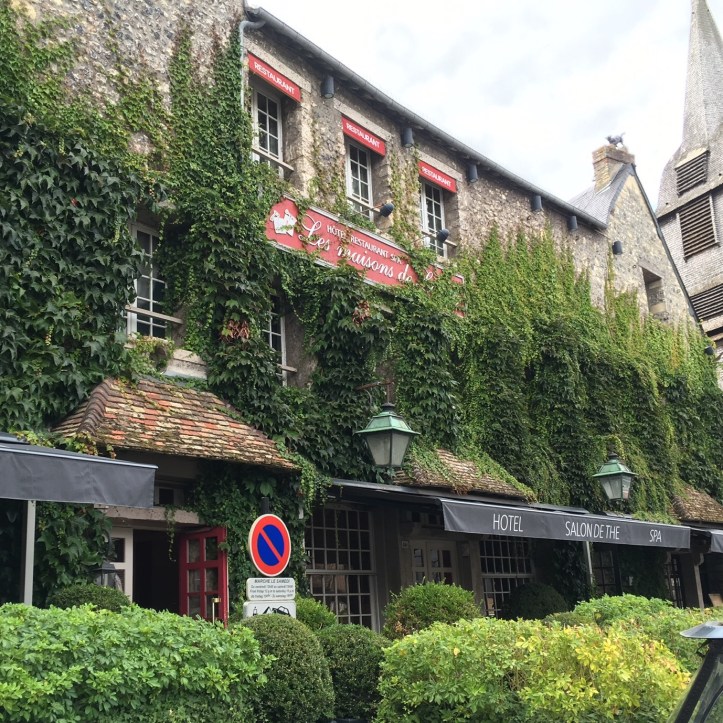
Dinner was at the hotel and I realized that seafood would be a theme for the week.
 Adventures with Sheila